
Thermodynamic Computing, Light Speed, Planetary Defence, Teleportation, Retina Paper - Speciale Focus #36

Thermodynamic Computing is here. Hello EXTROPIC!
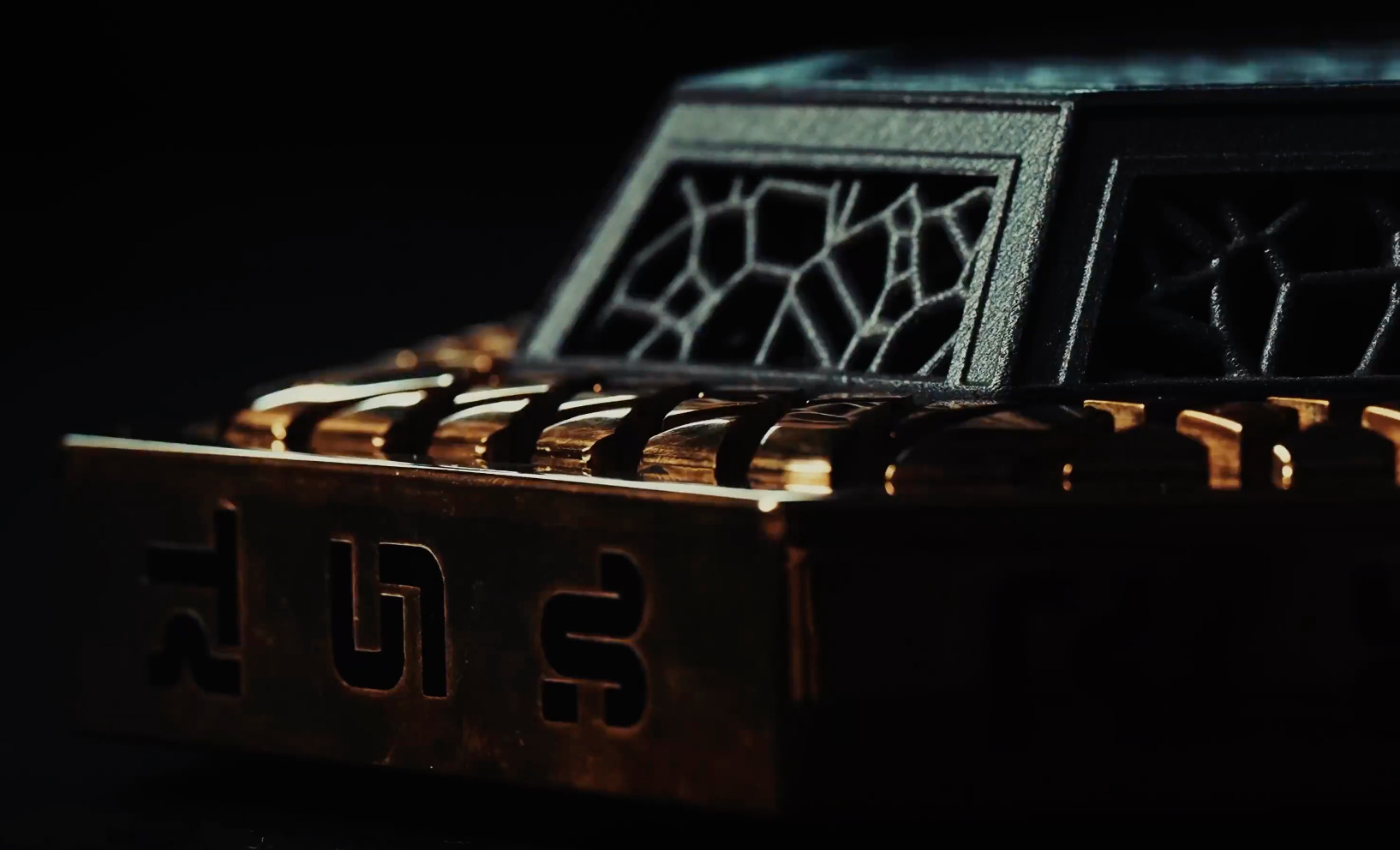
Extropic is building a radically new thermodynamic computing architecture where chips natively sample probabilities instead of doing deterministic digital logic like CPUs/GPUs. Their core unit — the Thermodynamic Sampling Unit (TSU) — uses local, stochastic circuits (p-bits) to generate distributions directly, enabling orders-of-magnitude lower energy for AI inference, generative models, and Monte-Carlo–style workloads. They’ve built early prototypes (X0, XTR-0) and a simulation library (THRML), but the big challenge ahead is scaling to production hardware and overcoming the GPU-centric ML ecosystem. If they succeed, they could redefine AI compute efficiency, especially for probabilistic and generative tasks.
Visualising the Speed of Light
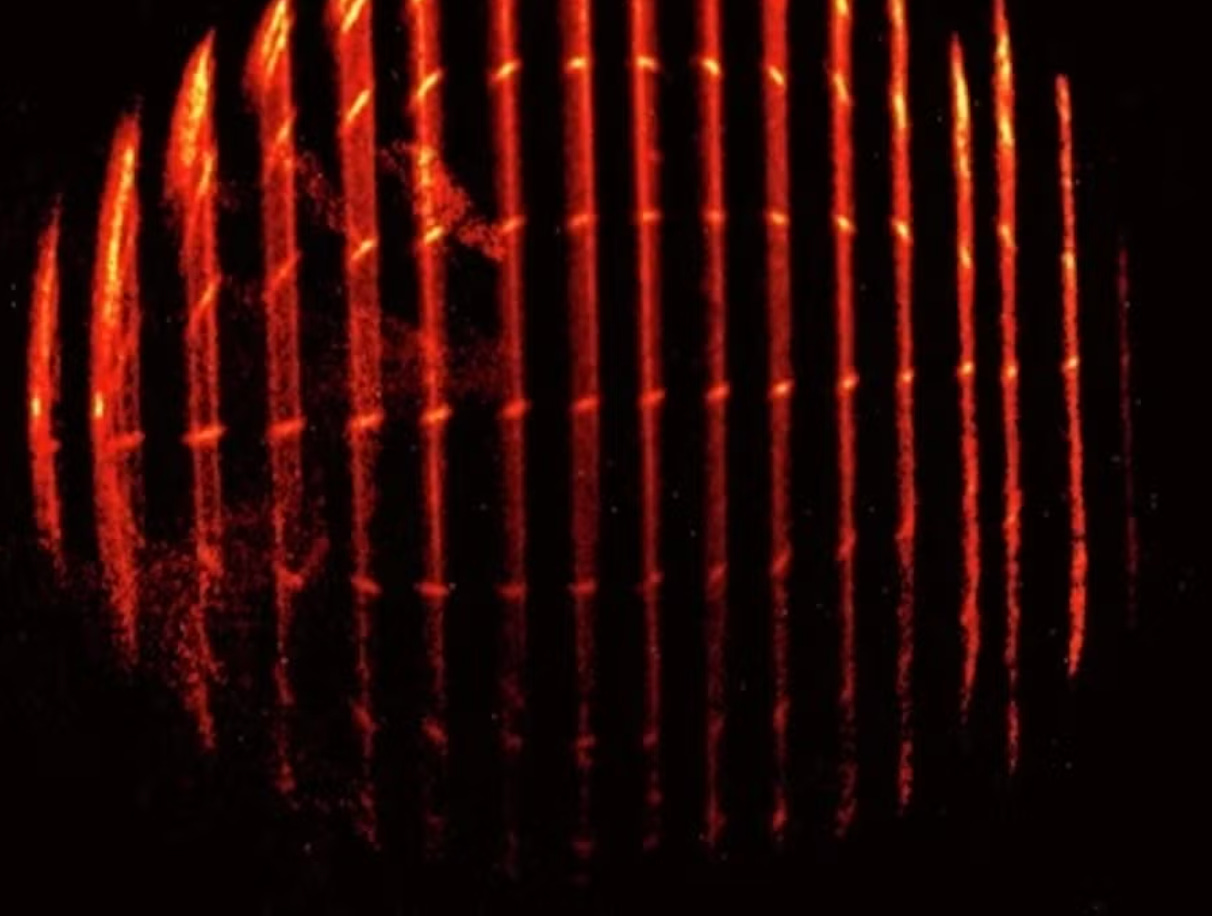
Researchers at TU Wien and the University of Vienna have experimentally recreated the century-old Terrell–Penrose effect, which predicts that an object photographed at near–lightspeed would appear rotated, not squashed. Since nothing macroscopic can actually be photographed at relativistic speeds, the team used a clever hack: they illuminated an object with precisely timed laser pulses, capturing millions of tiny “slices” of reflected light at different delays and stitching them into a composite—effectively slowing the speed of light to 2 meters per second. This produced images where a cube appears twisted and a sphere’s “north pole” shifts position, matching predictions of special relativity. Their method opens the door to using photography as a tool to study relativistic physics, visualizing effects once thought impossible to observe directly. Read more.
Apex’s Satellite Interceptors - Planetary Defence!
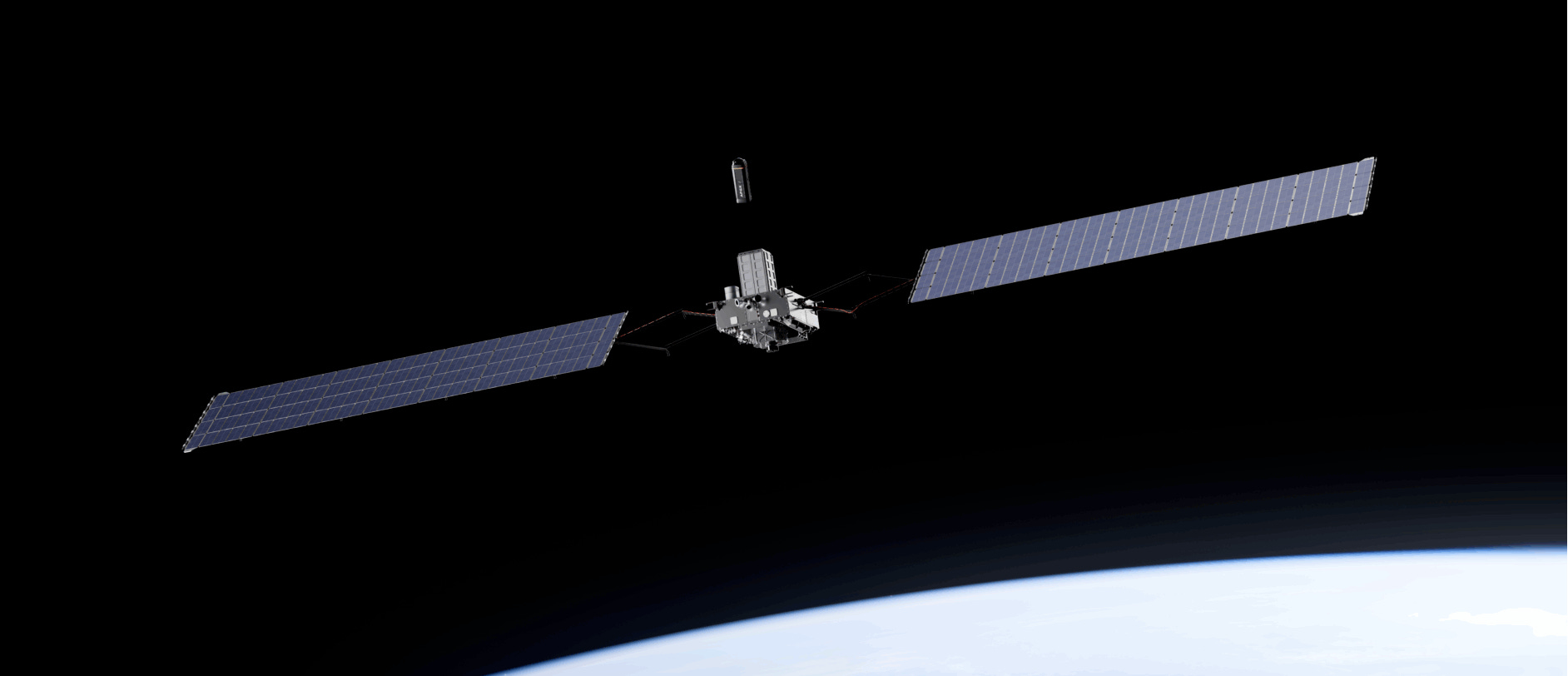
Apex has launched Project Shadow, the first privately funded U.S. effort to test space-based missile interceptors on orbit, aiming to demonstrate key technologies for a future proliferated space-based interceptor (SBI) constellation. In under a year, the company plans to launch an Orbital Magazine—a commercial Apex satellite bus modified to store, power, thermally manage, and command multiple interceptors—which will deploy and fire two prototype solid-rocket interceptors in orbit in June 2026. The demo will validate real-time fire-control links (via a Link-182-capable SDR), environmental control, and cross-link communications, proving that operational SBIs can be built and deployed rapidly using commercial hardware and private capital—outside traditional government procurement cycles—marking a major shift in how the U.S. may develop next-gen space defense systems. Read more.
A New View on Teleportation - Non Locality
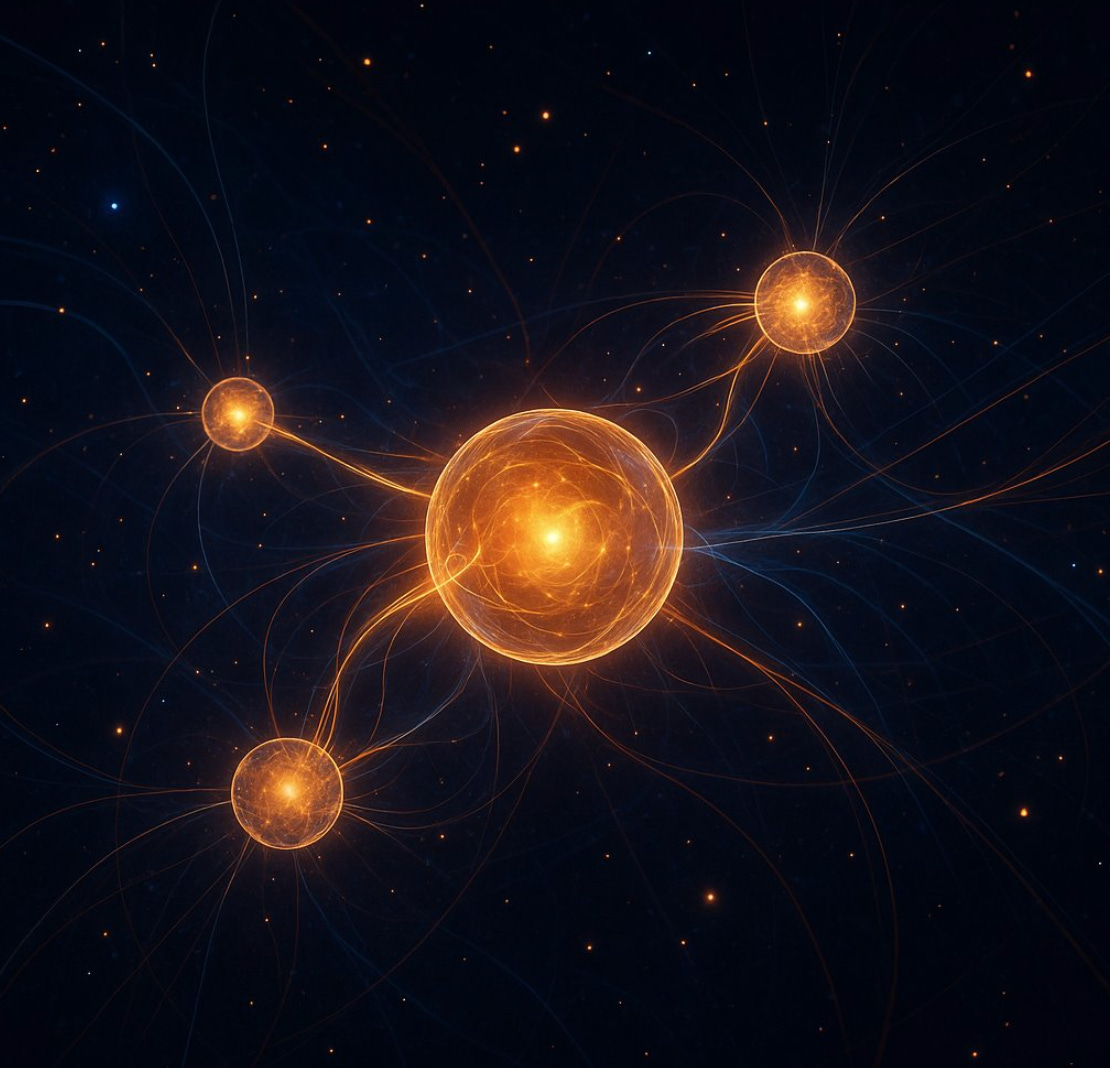
Polish physicists have proposed that quantum nonlocality may arise naturally from the fundamental indistinguishability of identical particles—meaning electrons or photons might share subtle, built-in correlations across space even without entanglement or interaction. If correct, this suggests quantum communication and computing could one day rely on these inherent links rather than fragile engineered entanglement, enabling simpler and more robust networks, processors, and perhaps new forms of quantum teleportation. More profoundly, it hints that spacetime itself may be emergent, with information and identity forming a deeper layer of physical reality. More on the paper here.
Retina e-Paper. Bend Reality.
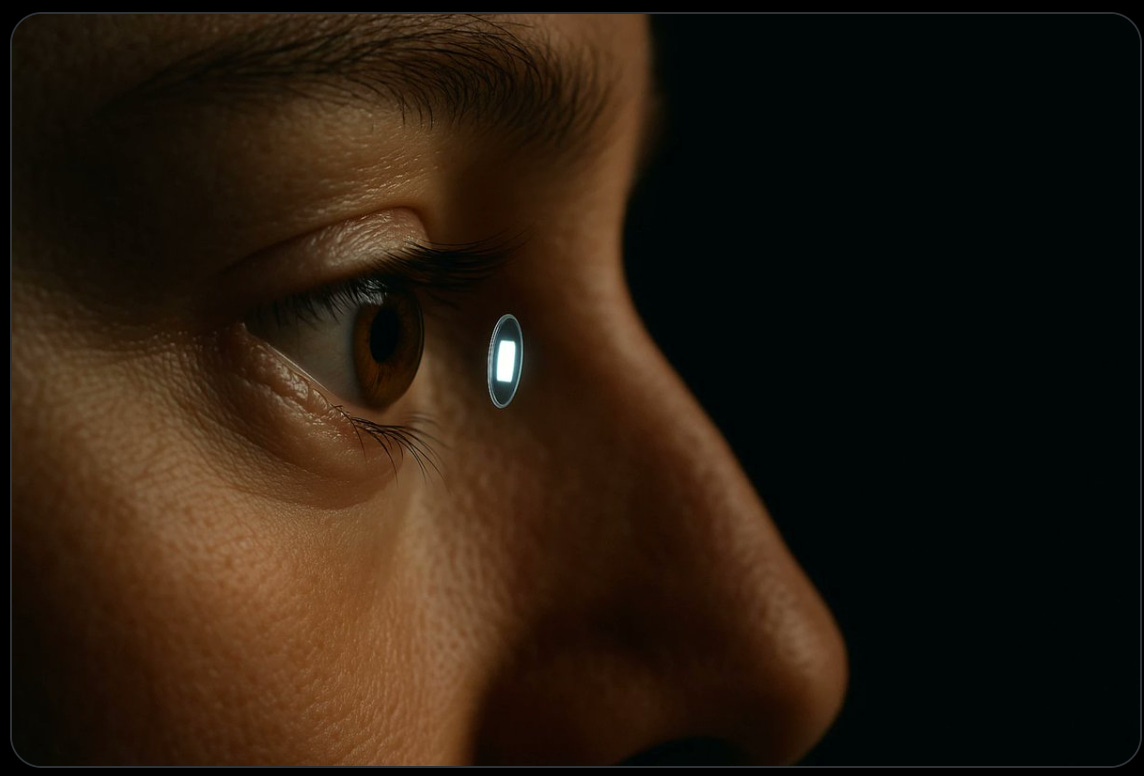
Researchers in Sweden have developed “retina e-paper”—a new e-ink display technology using tungsten trioxide nanodisks that switch between insulating and metallic states to precisely control reflectivity at the nanoscale. This method produces pixels as small as 560 nm, enabling over 25,000 PPI—far beyond smartphone displays (~460 PPI) and even enough for 4K resolution on a contact-lens-sized screen. The displays remain ultra-low-power (≈0.5–1.7 mW/cm²), sunlight-readable, and support color and even simple 3D, though refresh rates likely remain below conventional LCD/OLED. Parallel work in Germany suggests OLED pixels could shrink to 300 nm, hinting at wearable or micro-display resolutions above 50,000 PPI. Read more.
That’s it folks. We’ll leave you with this for the month and come back soon with another set of wow reads specially curated for the curious you!
Until then, Team Speciale signing off!